- Shift from Reactive to Proactive Communication :
- The AI Breakthrough : NLP-Powered Conversational Agents
- The Shift to Proactive Engagement :
- AI Chatbots as Sales Agents : A Business Growth Catalyst
- Chatbots as Revenue Drivers :
- The Future of AI Chatbots : Beyond Sales and Customer Service
- Human + Chatbot Collaboration :
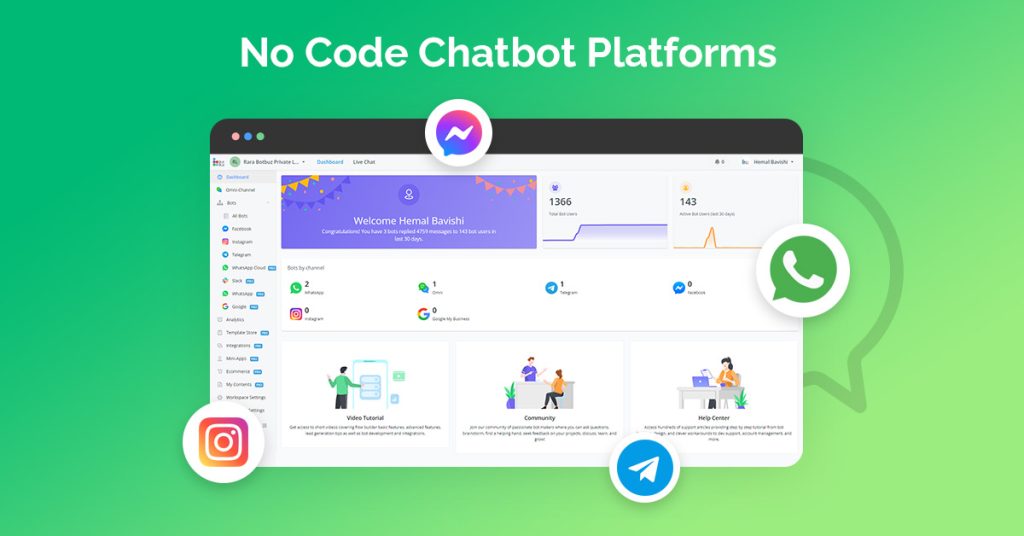
- Using Botbuz Chatbot for Proactive Engagement :
- FAQs :
Shift from Reactive to Proactive Communication :
To stay competitive, businesses have to stop viewing chatbots as a “cost-cutting tool”. They need to start seeing them as a customer experience tool. Customers have zero patience for rigid, scripted bots that don’t understand them. If a bot can’t solve a problem instantly and intelligently, users will simply take their business to a company whose bot can.
The Early Days : Rule-Based FAQ Bots
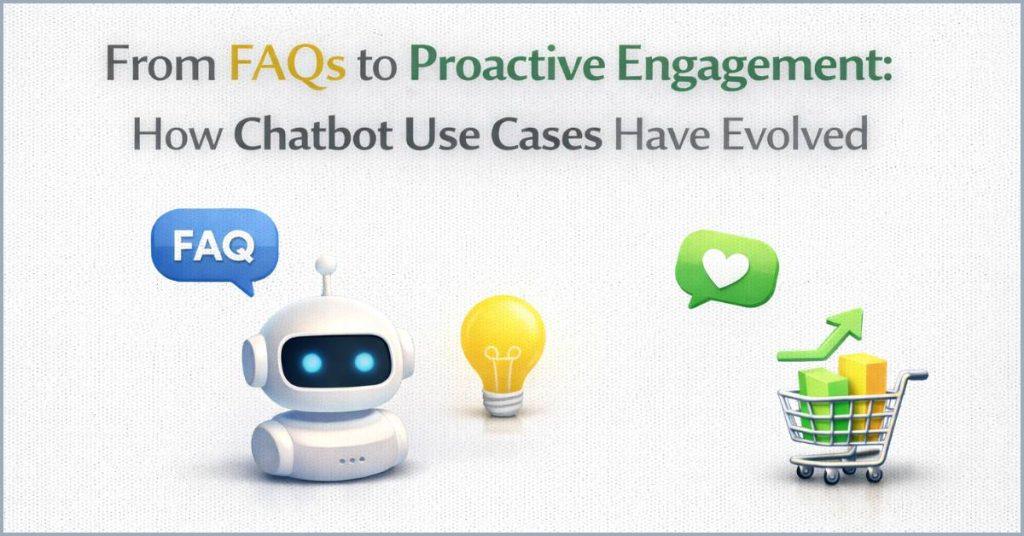
Early chatbots were essentially digital “Choose Your Own Adventure” books. It followed strict, human-made rules instead of actually thinking. If a user asked a specific question the bot was programmed to recognize, it could give an instant answer; however, if the question was phrased slightly differently, the bot would get stuck in a loop because it was only scanning for exact “keywords” rather than understanding the meaning.
While these systems were great for businesses because they stayed open 24/7 and saved money by handling simple tasks, they were often frustrating for customers with complex problems. Because they couldn’t remember past conversations or understand human emotions, they felt more like a rigid vending machine than a helpful assistant.
The AI Breakthrough : NLP-Powered Conversational Agents
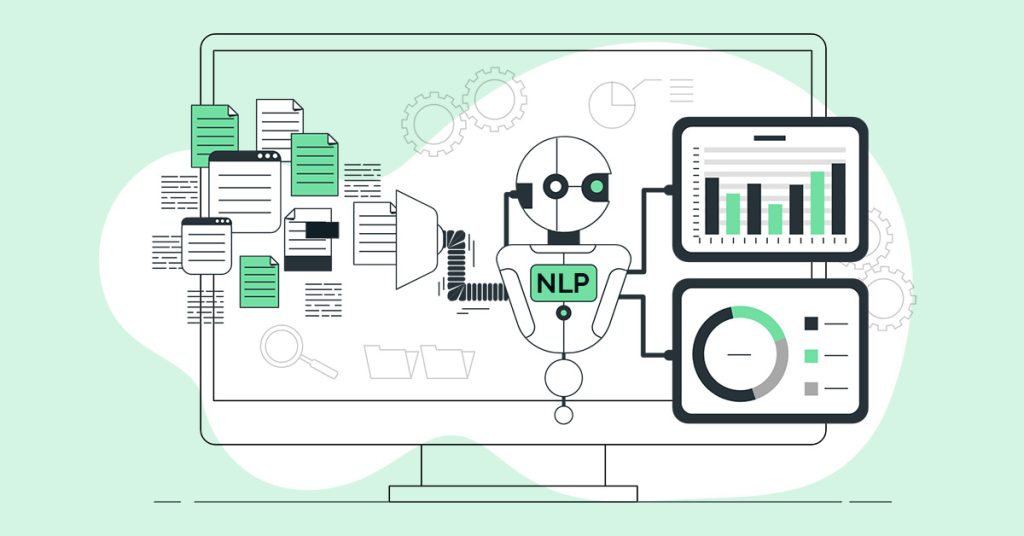
The next big leap in technology happened when chatbots got a “brain upgrade” called Natural Language Processing . It allows them to actually understand what we mean instead of just looking for specific words. The old-school bots followed a strict script. These modern AI assistants can figure out a student’s goal even if they use slang or make a typo.
They are smart enough to remember what was said earlier in a conversation, can chat in dozens of different languages, and can even tell if a person is happy or frustrated by the way they type. Because they can follow us from a website to an app like WhatsApp without losing track, these bots are now used everywhere—from helping doctors check symptoms to acting as a 24/7 personal tutor that never gets tired of explaining a math problem.
The Shift to Proactive Engagement :
In the past, chatbots were like store clerks who sat in the back room and only came out if you rang a loud bell. But today’s “proactive” bots act more like an attentive guide who opens the door for you. Instead of waiting for a student to ask for help, these smart bots watch for “triggers,” like if someone has been staring at a difficult math problem for too long or is about to leave a website without finding what they need.
By understanding a person’s behavior and journey through a site, the bot can jump in at just the right moment to offer a hint, a discount, or a friendly “Welcome back!” This shift from waiting to acting makes everything feel faster and more personal. Thus, helping businesses solve problems before the customer even realizes they have one.
AI Chatbots as Sales Agents : A Business Growth Catalyst
Chatbots have moved from being simple “help desks” to becoming expert sales. It actually helps businesses grow and make money. Instead of just fixing problems, these smart bots act like a personal shopper. It suggests the perfect pair of shoes or sending a friendly reminder if you leave something in your online cart. They can chat with thousands of people at once on apps like WhatsApp or Instagram. Thus, instantly answering questions that used to take humans hours to get to.
Because they work 24/7 and remember what every customer likes, businesses are seeing much higher sales while actually spending less money on big call centers. It’s like having a super-fast, polite employee who never sleeps and knows exactly how to turn a “just looking” visitor into a happy customer.
Chatbots as Revenue Drivers :
Chatbots have become like super-smart store assistants that actually help businesses make more money. Instead of just answering boring questions, these “revenue drivers” act like a personal shopper who suggests a cool matching hat to go with the shirt you just picked out.
They are great at “following up,” which means if you leave a website without buying that video game you were looking at, the bot might send you a friendly message on WhatsApp with a small discount to help you decide. By being quick and helpful right when a customer is confused or unsure, these bots make sure more people actually finish their shopping, turning a quiet website into a busy, successful store that stays open all night.
The Future of AI Chatbots : Beyond Sales and Customer Service
In the future, chatbots will stop being just chat bubbles and start acting like digital employees that can actually get chores done for you. Instead of just answering questions, these “autonomous agents” can plan entire trips, fix technical problems by looking through your phone’s camera, or even spot a problem with an order and fix it before you even notice.
They will be so smart that they’ll remember exactly how you like things and can talk to you through your car, your watch, or your phone without ever losing track of the conversation. Because they represent a brand’s personality, these bots will act like friendly ambassadors, making sure your data stays private and safe while they work 24/7 to make your life easier.
Human + Chatbot Collaboration :
Think of the relationship between a chatbot and a human agent like a pilot and a co-pilot. The chatbot is the co-pilot that handles all the routine stuff, like checking the weather or keeping the plane on track, which lets the human pilot focus on the tricky parts like landing during a storm. This “Hybrid Model” makes customers feel safe because they get instant answers for easy things, but they know a real person is standing by if things get complicated. By being honest about what it can and can’t do, the bot actually makes people trust the company more!

Using Botbuz Chatbot for Proactive Engagement :
Using Botbuz for proactive engagement is like giving a chatbot “eyes” to see what a customer is doing. Instead of just sitting in the corner, the bot can notice if someone is stuck on a hard page or about to leave a store without buying anything. It can then “pop up” with a helpful tip or a discount at exactly the right time. It’s like a smart store assistant who knows when to offer you a shopping basket before you even realize your hands are full!
Conclusion :
The journey of chatbots has been like watching a robot grow a brain. They started out only being able to answer basic questions, but now they are smart enough to act like expert guides who can help you before you even ask. By using a tool like Botbuz, businesses can make sure their bots aren’t just sitting in the corner, but are actively helping people find what they need at the perfect moment. In the end, the coolest part about this evolution is that technology is becoming more “human,” making it easier than ever for everyone to get things done online!
FAQs :
- What is the main difference between “old-school” and modern chatbots?
Old-school bots were like rigid flowcharts that only understood specific keywords. Modern bots act like digital “brains” that understand the meaning and context behind what you’re saying, even if you make a typo or use slang.
- How does a chatbot move from answering FAQs to “proactive engagement”?
It stops waiting for the user to speak first. Instead, it watches for “triggers”—like someone staying on a page for a long time—and jumps in with a helpful tip or a discount at exactly the right moment to prevent confusion.
- What makes Botbuz different from a basic chatbot builder?
Botbuz is a multi-tool that works across WhatsApp, Instagram, and websites all at once. Unlike basic builders, it can track user behavior to send personalized messages and act as a 24/7 sales agent instead of just a digital filing cabinet.
- How do chatbots help a business grow their revenue?
They work like a sales team that never sleeps. By suggesting products based on what a user likes and sending reminders about items left in a shopping cart, they turn “window shoppers” into paying customers automatically.
- Can a chatbot really understand if a customer is frustrated?
Yes, using Sentiment Analysis. The bot scans the “vibe” of the typing; if it detects anger or frustration, it can immediately apologize, change its tone, or call a human to take over the conversation.
- Is it difficult to set up proactive triggers in Botbuz?
No, it’s built for everyone. You don’t need to know how to code; you just use a visual builder to “drag and drop” rules, like telling the bot to pop up only after someone has visited your site three times.
- How do autonomous AI agents represent the future?
The future isn’t just about talking; it’s about doing. Instead of just telling you where your package is, an autonomous agent can actually call the post office, fix the address, and reschedule the delivery for you without you lifting a finger.