
- Shift from Single Channel to Multi Channel Customer Journeys :
- What is Omnichannel Marketing?
- How Does Omnichannel Marketing Work?
- How Multichannel Marketing Differs from Omnichannel Marketing?
- Omni-channel vs. Phygital Marketing :
- Why Omnichannel Marketing is Important for Businesses Today?
- What are the Fundamental Pillars of a Successful Omnichannel Marketing Strategy?
- How Different Industries Apply Omnichannel Strategies?
- How to Create an Omnichannel Marketing Strategy?
- How to Expand Marketing Reach with WhatsApp API Integration?
- What are the Top Channels to Include in Your Omnichannel Marketing Strategy?
- Using Botbuz Omnichannel Chatbot :
Shift from Single Channel to Multi Channel Customer Journeys :
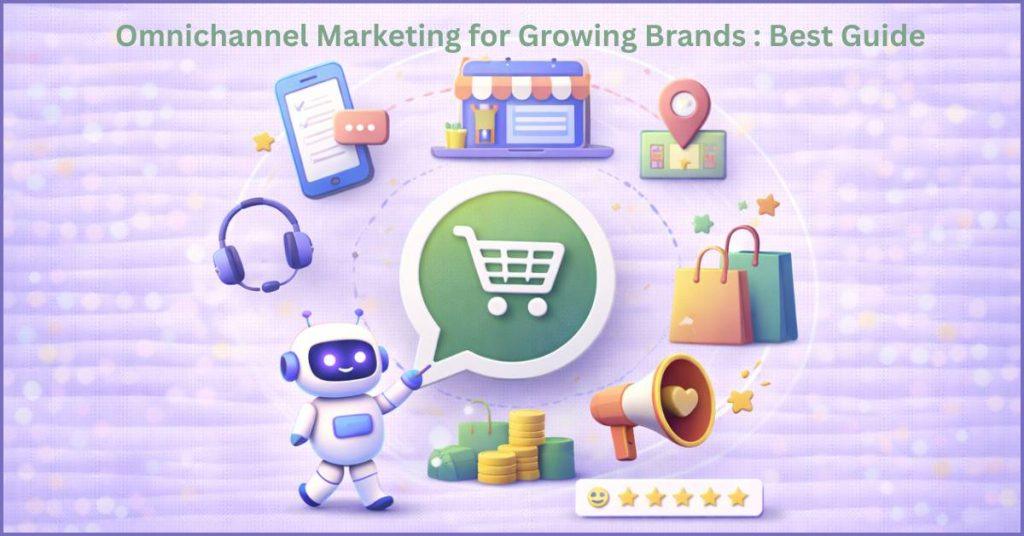
Omnichannel marketing is like a giant group chat. It is where a brand and a customer stay connected across every app and device without ever losing the thread of the conversation. In the past, shopping was a simple, one-way street. But today’s customers jump between scrolling on social media, watching reviews, and chatting with businesses on messaging platforms before they ever hit the “buy” button.
For a brand to grow today, it cannot treat its website, Instagram, and emails like separate islands. They must link them together so that the experience feels like one continuous, helpful journey. By making sure these different channels “talk” to one another, a company meets the high expectations of modern shoppers. They want things to be fast and easy, eventually turning a first-time visitor into a loyal fan.
What is Omnichannel Marketing?
Omnichannel marketing is a strategy where a brand connects all its different platforms. It can be a website, social media, and physical stores into one synchronized system so they can “talk” to each other. Instead of these channels acting like separate islands, they work together to follow the customer’s journey. It ensures that if someone starts an interaction on a phone, they can pick up exactly where they left off on a laptop or in person.
A perfect example is a coffee app that lets you order on your commute and has the drink waiting the moment you walk through the door, followed by a digital receipt sent to your inbox. This creates a smooth, “seamless” experience. It feels like one continuous conversation, making it much easier for customers to shop & stay loyal to a brand.
How Does Omnichannel Marketing Work?
Omnichannel marketing works like a single “brain”. It connects every part of a business, from its website to its physical shop, so they all stay on the same page. Instead of every department acting on its own, they share information in real time. For instance, if a store sells the very last hoodie on the shelf, the website is instantly updated so an online shopper doesn’t try to buy it.
This system uses smart automation to track what a customer likes. It allows you to send helpful, personalized reminders like a quick message about a saved item, exactly when it’s needed. It keeps the look, feel, and tone of the brand the same across every app and screen. Thus, the business creates a trustworthy experience that feels like one smooth, continuous conversation.
How Multichannel Marketing Differs from Omnichannel Marketing?
The main difference between multichannel and omnichannel marketing is how well the different parts of a business talk to each other. In a multichannel setup, a brand is in many places like Instagram, email, and a physical store. But those branches act like strangers; they don’t share information. It can make the experience feel repetitive or confusing for the customer.
Omnichannel marketing, however, puts the customer at the center. It makes sure every app and store works together like a team. While multichannel is easier for a small business to start. It is because it’s less technical. Omnichannel is much better for growing brands because it builds stronger trust. Also it makes shopping feel like one smooth, easy conversation instead of a series of disconnected steps.
Omni-channel vs. Phygital Marketing :
Think of omnichannel as the “memory” of a brand. It’s the system that ensures a company remembers what you liked on their website when you switch to their app. Phygital is more like a “magic trick”. It happens when you are physically standing in a store. It uses cool tech, like AR filters or smart kiosks, to make the real world feel digital. Omnichannel keeps the conversation going across your screens. Phygital makes your real-life visits more exciting. When a brand uses both, you get the best of both worlds: the convenience of your phone combined with the fun of shopping in person.
Why Omnichannel Marketing is Important for Businesses Today?
Omnichannel marketing is essential today. It is because people now expect shopping to be as easy and connected as their favorite social media apps. Everyone is constantly jumping between phones, laptops, and real-life stores. A business that can’t keep up with that “seamless” flow quickly gets ignored in a world where there are thousands of other brands competing for attention.
By making sure all their platforms talk to each other, a company makes life much simpler for the customer. It leads to better engagement and keeps people coming back. A brand makes shopping feel like one smooth, effortless conversation. It helps to build the kind of trust and loyalty that helps a small business grow into a massive success.
What are the Fundamental Pillars of a Successful Omnichannel Marketing Strategy?
A successful omnichannel strategy is built on five main pillars. It works together like a well-trained team. It starts with being customer-centric, which just means the business puts the person’s needs first. It is followed by data integration so that every app the company uses shares the same “memory” of what that person likes.
To make this work, the brand must also have consistent messaging so it looks and sounds the same everywhere, while using automation and AI to handle tasks instantly. Finally, real-time engagement ensures the brand can chat with a customer the second they have a question. When these pillars are in place, a business feels less like a confusing company and more like a helpful assistant that is always ready to help.
How Different Industries Apply Omnichannel Strategies?
Different businesses use omnichannel tricks to make life simpler depending on what they do. For example, an online shop might send you a message if you forgot to buy that pair of shoes you liked. While a clothing store might let you buy a shirt on your phone and pick it up at the mall an hour later.
Doctors use it to text you reminders so you don’t miss an appointment. Also banks use it to send you an instant alert if someone uses your card. Even schools use it to make sure students get important news on the apps they use most. Basically, no matter the business, the goal is to stay connected to people in the fastest and easiest way possible.
How to Create an Omnichannel Marketing Strategy?
To create an omnichannel strategy, a business must first build a unified database. It acts like a single “brain” that stores every customer interaction in one place so no information is ever lost. Once this foundation is set, the brand maps out the customer’s journey. It helps to ensure that switching between an app, a website, and a physical store feels as smooth as switching tabs on a browser.
Finally, the company must align its marketing, sales, and support teams so they all share the same information. This ensures that if a customer asks a question on social media, the person answering their email later already knows the history of the conversation. By linking these departments and data points together, a business creates a seamless experience. It builds trust and keeps customers coming back.
How to Expand Marketing Reach with WhatsApp API Integration?
Integrating the WhatsApp Business API allows a company to reach customers on the app they use most. It offers a much faster and more reliable way to communicate than old-school emails. By using the API, a business can set up smart automation, like a 24/7 chatbot that answers questions instantly or sends personalized reminders when someone leaves an item in their shopping cart.
This system also makes lead generation much easier because an ad can lead directly into a chat where a bot qualifies the customer right away. Ultimately, linking WhatsApp to a brand’s data creates a smooth, real-time experience. It is where customers get personalized help and updates in a single, familiar conversation.
What are the Top Channels to Include in Your Omnichannel Marketing Strategy?
Think of these channels as the different “voices” a brand uses to talk to you. The most important ones are WhatsApp for quick, personal chats and Social Media for showing off cool new products. Email and SMS are like digital letters for important updates. While a Website or App is the actual store where everything happens. To tie it all together, Chatbots act like friendly assistants who are always awake and ready to help. When a brand uses all of these at once, it means you can reach them however you like, and they’ll always be there to answer.

Using Botbuz Omnichannel Chatbot :
Botbuz acts as a centralized “control center”. It pulls messages from WhatsApp, Instagram, and Facebook into one easy to use dashboard, so a business never misses a customer’s question. It uses smart automation to answer simple questions instantly around the clock, but it also knows exactly when to hand a chat over to a real person for more complex help, providing a perfect mix of speed and a personal touch. This system is especially helpful for growing brands because it allows them to handle thousands of conversations without needing a giant team, making the business look professional and keeping customers happy.
Conclusion :
Omnichannel marketing is ultimately about making sure a business acts like one smart, unified team instead of a bunch of strangers who never talk to each other. By using a tool like Botbuz, a brand can keep all its messages from WhatsApp, Instagram, and Facebook in one single “control center” so that no customer is ever ignored.
The system uses helpful automation to answer simple questions instantly, but it is also smart enough to bring in a real person when things get complicated, making the whole experience feel fast and friendly. For any growing business, this is the secret to moving from being just another shop to becoming a brand that people truly trust and love.


