
- Social Media : A Lead Generation Powerhouse
- What is a Social Media Chatbot?
- Why Social Media Leads Often Don’t Convert ?
- Easy Ways Social Media Chatbots Help Close Leads :
- How to Implement a Social Media Chatbot ?
- Benefits of Using Social Media Chatbot :
- Best Practices for Social Media Chatbot :
- Best Social Media Chatbot by Botbuz :
- FAQs :
Social Media : A Lead Generation Powerhouse
Social media has evolved into a powerful lead-generation engine. It is where instant messaging is now the preferred way for customers to connect with brands. However, this shift creates a significant bottleneck. Businesses often struggle to manage the massive volume of inquiries manually. Also any delay in response usually results in lost interest and missed sales. Social media chatbots bridge this gap by providing immediate, 24/7 engagement. It ensures that every lead is captured and qualified the moment they reach out. Thus, effectively turning casual inquiries into consistent conversions.
What is a Social Media Chatbot?
Social media chatbots are automated AI tools integrated into messaging platforms like Instagram, Facebook & WhatsApp to handle real-time customer interactions. Unlike manual messaging, which is limited by human staff hours and capacity, chatbots provide instant, 24/7 engagement, allowing a business to scale its communication without increasing its headcount.
By acting as an “always-on” digital concierge, these bots bridge the gap between a customer’s initial curiosity and a final sale, ensuring that every inquiry is captured and qualified immediately—a necessity in an era where consumers expect instant gratification.
Why Are Social Media Chatbots Used?
Social media chatbots are primarily used to meet the modern demand for instant gratification. Today’s customers expect a reply in seconds, not hours; chatbots fill this need by providing immediate, 24/7 interaction that a human team simply cannot sustain alone.
They also act as a cost-effective scaling tool. Instead of hiring a massive support team to handle every basic question, a bot can manage thousands of inquiries simultaneously. This allows businesses to grow their lead volume without a matching increase in payroll or overhead.
Furthermore, bots excel at automating the “boring” tasks. By answering repetitive FAQs and “filtering” leads through quick qualifying questions, they ensure that your human staff only spends time on high-value conversations that are actually ready to close.
Ultimately, they serve as a safety net for engagement. In a fast-paced social environment, a chatbot ensures that no message goes unanswered, keeping the brand’s response rate high and preventing potential customers from jumping to a competitor who replies faster.

Why Social Media Leads Often Don’t Convert ?
Most social media leads fail to convert because of timing. If a user reaches out and doesn’t get a reply almost immediately, they lose interest. By the time a human staff member checks the inbox hours later, the customer has likely moved on to a competitor.
Another major issue is inbox fatigue. When small teams are overwhelmed by hundreds of messages, they often provide generic, unhelpful answers or lose track of conversations entirely. Without a system to sort the “serious buyers” from the “casual browsers,” the best opportunities often get buried in the noise.
Finally, there is the missing follow-up. Converting a lead usually takes more than one chat. If a business doesn’t have a structured way to circle back and check in with a potential customer a day or two later, the lead effectively “expires,” and the marketing money spent to find them is wasted.
Easy Ways Social Media Chatbots Help Close Leads :
To close the deal on social media, speed and relevance are everything. Chatbots act as the “connective tissue” between a customer’s initial curiosity and the final sale through these four key functions:
Instant Lead Qualification :
Instead of waiting for a human to review an inbox, a chatbot immediately asks key questions (like “What is your budget?” or “When do you need this?”) to understand the user’s needs. This automated filtering ensures that your sales team doesn’t waste time on “window shoppers” and instead focuses only on high-intent prospects who are ready to buy.
Automated Follow-Ups :
Leads often go cold because a human forgot to check back in. Chatbots solve this by sending timed reminders, exclusive offers, or helpful updates without any manual effort. By maintaining a consistent presence in the user’s inbox, the bot keeps your brand top-of-mind and nudges the customer toward a decision.
Personalized Conversations at Scale :
Modern AI bots don’t just send generic scripts; they use available data (like the user’s name or past interests) to tailor the conversation. This makes the automated experience feel human and engaging, delivering relevant product recommendations that actually match what the customer is looking for, even if you are talking to thousands of people at once.
Seamless Handoff to Sales :
The most effective strategy is a “hybrid” approach. When a chatbot identifies a “hot lead” or a complex question, it can instantly alert a human agent to jump into the chat. This ensures that the customer gets the warmth of a human interaction at the exact moment they are most likely to convert, significantly increasing your closing rate.
How to Implement a Social Media Chatbot ?
First, pick the right “home” for your bot based on where your customers actually spend their time—whether that’s Instagram for visual shopping or WhatsApp for quick, direct support.
Next, give your bot a specific job description. Instead of making it a “jack of all trades,” decide if its main role is to book meetings, answer common questions, or qualify new leads. Having one clear goal makes the bot much more effective.
When building the conversation, keep it simple. Use buttons to guide users so they don’t have to type much, and make sure there is always a way to reach a real person if the bot gets confused.
Finally, treat your bot like a new employee. Monitor its performance after launch, look for places where people are dropping out of the chat, and keep tweaking the “script” until the conversation feels natural and fast.

Benefits of Using Social Media Chatbot :
The biggest win with a chatbot is speed. It answers people the exact second they message you, which is when they are most interested. This keeps them from wandering off to a competitor while waiting for a human to wake up or get back from lunch.
It also makes your team much more efficient. By letting the bot handle the “boring” repetitive questions, your real employees only jump in when there is a serious buyer on the line. This means you can do more work with fewer people.
Finally, a chatbot makes your business always open. Whether someone messages you at 2 AM or on a holiday, the bot is there to start the sale. It scales with you effortlessly, so 100 messages feel just as easy to manage as 10.
Best Practices for Social Media Chatbot :
Successful social media chatbots prioritize goal-oriented simplicity, guiding users toward specific outcomes without unnecessary complexity. By adopting a friendly, human-like persona and utilizing quick-reply buttons, these bots create a frictionless experience that feels more like a natural conversation than a rigid technical process.
To maintain high satisfaction levels, it is essential that the system provides a clear “escape hatch” to a human agent for more nuanced inquiries. Ultimately, the most effective implementations rely on continuous optimization, where interaction data is regularly analyzed to refine the dialogue and ensure the bot remains a high-converting asset for the business.

Best Social Media Chatbot by Botbuz :
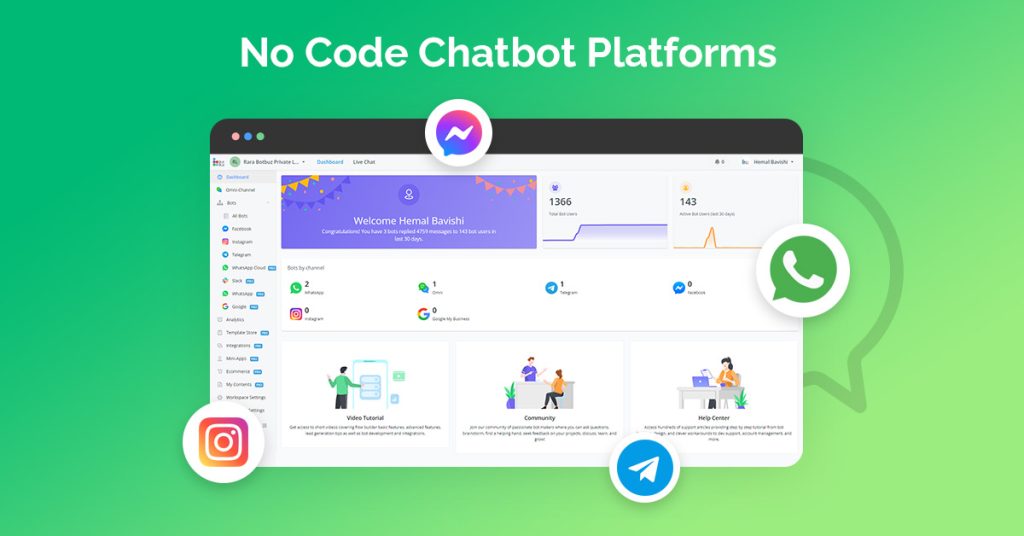
Botbuz is a powerful, no-code conversational AI platform that helps businesses maximize their social media lead generation by providing automated, 24/7 engagement across WhatsApp, Instagram, and Facebook.
By combining automated lead qualification and CRM syncing with a seamless human handover feature, Botbuz ensures that every inquiry is instantly captured and filtered, allowing sales teams to focus their energy exclusively on high-value prospects. This “always-on” approach effectively eliminates response delays, turning casual social media browsers into qualified sales opportunities with minimal manual effort.
Conclusion :
For businesses ready to master this transition, Botbuz offers a powerful, no-code solution that simplifies the complex world of automation. By centralizing conversations from WhatsApp, Instagram, and Facebook into one dashboard, Botbuz allows you to capture leads at scale without increasing your headcount. Its ability to seamlessly hand off “hot” leads to human agents ensures that you never miss the critical moment of conversion.
FAQs :
- Will a chatbot make my brand feel cold or impersonal to customers?
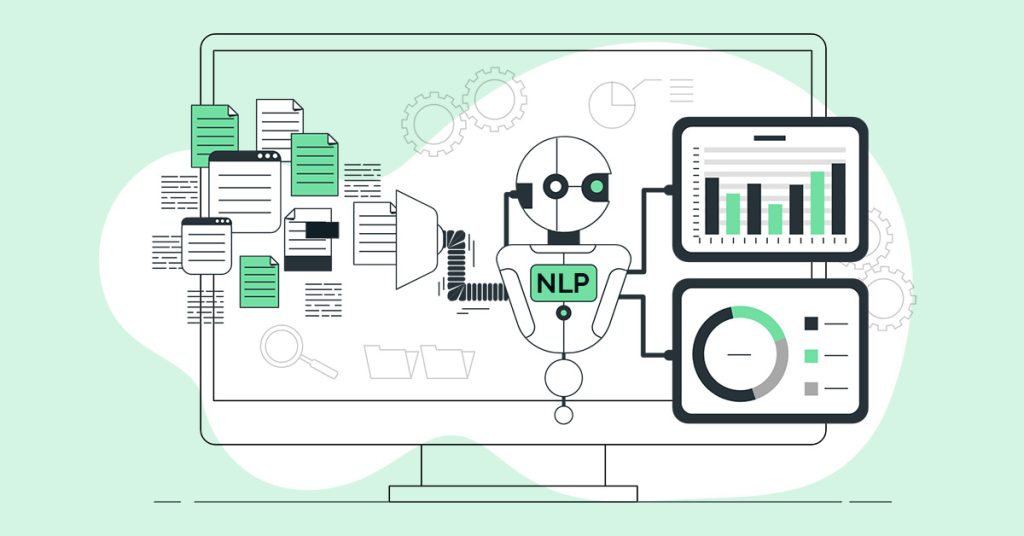
Not if it’s designed correctly. In 2026, the best chatbots use natural language processing (NLP) to sound friendly and helpful. By using the customer’s name and providing instant answers, a bot often feels more personal than a human who takes 10 hours to reply. Most customers actually prefer a fast bot over a slow human.
- What happens if the chatbot doesn’t know the answer to a question?
A professional tool like Botbuz includes an “escape hatch.” If the bot is confused or if the user asks to speak to a person, the system triggers a seamless human handoff. It alerts your team in real-time and provides the full chat history so the human agent can take over exactly where the bot left off.
- Can Botbuz handle leads from Instagram, Facebook, and WhatsApp at the same time?
Yes. Botbuz is an omni-channel platform, meaning it consolidates messages from all your social media channels into one unified inbox. You can build one automation flow that works across all platforms, ensuring your brand provides a consistent experience no matter where the lead finds you.
- How do chatbots actually “qualify” a lead before sending it to me?
The bot is programmed to ask a series of predefined questions (e.g., “What is your monthly budget?” or “Are you looking for a solution within 30 days?”). Based on the answers, the bot “tags” the lead as Hot, Warm, or Cold. This allows your sales team to focus their energy only on the “Hot” leads that are ready to buy.
- Do I need to know how to code to set up a Botbuz chatbot?
No. Botbuz features a no-code visual builder. It uses a drag-and-drop interface where you can map out your conversation “blocks.” If you can draw a simple flowchart, you can build a high-converting chatbot.
- Can the chatbot send follow-up messages if the customer stops replying?
Absolutely. This is one of the most powerful ways to close leads. You can set up automated follow-up rules so that if a lead goes quiet, the bot automatically sends a friendly reminder, a helpful case study, or a limited-time discount code 24 hours later to reignite the conversation.
- How does a chatbot help with my existing CRM or database?
Botbuz integrates directly with most major CRMs and Google Sheets. Every time a lead provides their email or phone number in the chat, the bot automatically sends that data to your CRM. This eliminates manual data entry and ensures your sales team has all the info they need the moment they reach out to the lead.