
- WhatsApp Evolving from a Messaging App into a Business Growth Engine :
- How Did WhatsApp Evolve Into Full Funnel API Infrastructure?
- WhatsApp API Trends :
- How WhatsApp API Trends Affects Business ?
- How To Implement WhatsApp API Trends Into Sales Strategy?
- Top 5 Future Improvements to WhatsApp API : What Businesses Should Expect
- Why is Botbuz the Best Choice for WhatsApp API?
WhatsApp Evolving from a Messaging App into a Business Growth Engine :
WhatsApp has grown from a simple texting app into a powerful tool that helps businesses grow and sell things easily. Instead of just sending messages to friends, people now use it to chat with their favorite brands just as easily as they talk to their family. This year is a big deal because new technology allows companies to build “mini-apps” inside the chat, so you can pick out a pair of shoes or book a movie ticket without ever leaving WhatsApp.
Because almost everyone checks their messages instantly, businesses are moving away from old-fashioned emails and using automated “chatbots” to help customers buy things in seconds. To stay ahead, companies are focusing on making shopping feel like a quick, helpful conversation that leads directly to a sale.
How Did WhatsApp Evolve Into Full Funnel API Infrastructure?
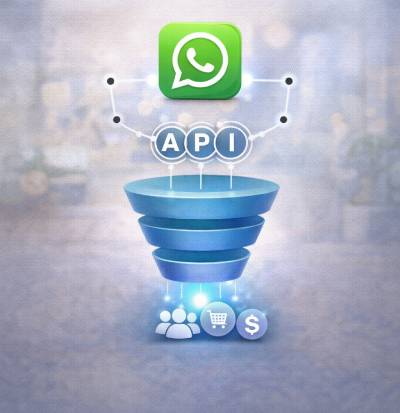
WhatsApp has grown from a simple way to text friends into a powerful “all-in-one” tool that businesses use to handle everything from start to finish. Instead of making you jump between different websites, emails, and apps, a company can now lead you through a whole journey—from seeing a cool ad to asking questions, picking out a product, and even paying for it—all inside one single chat.
This works because WhatsApp is now connected to the “brains” of a company, like their payment systems and smart AI helpers that can answer questions instantly. It’s like having a personal shopper in your pocket who remembers what you like and helps you buy it without ever having to close the app.
WhatsApp API Trends :
WhatsApp has transformed into a high-tech “digital headquarters” for businesses. Here is a simple breakdown of how these new trends work,
- Smart Lead Generation and Ad Growth :
Instead of making people fill out boring forms on a website, businesses are now using “Click-to-WhatsApp” ads on Instagram and Facebook. When someone clicks an ad, it opens a chat where an AI instantly starts talking to them. This AI can figure out what the customer wants in seconds and send them to the right person, making sure no one has to wait in line. It’s like having a digital greeter who is always ready to help you find exactly what you’re looking for.
- From Simple Bots to Super AI Agents :
The old, “robot-sounding” bots that could only answer basic questions are gone. Now, businesses use “AI Agents” that actually understand how humans talk. These smart assistants can learn a brand’s specific personality and have real conversations. Some companies even bring their own custom-built AI “brains” to make sure the help they give is super accurate and secure. It’s like the difference between a simple calculator and a powerful laptop.
- AI Help Inside the Inbox :
Even when a real human is the one texting you, AI is working behind the scenes to help them. It suggests the best things to say, summarizes long chats so the worker doesn’t have to read everything, and even predicts what a customer might ask next. Because of this, the AI can also “score” a conversation to see if a customer is happy or frustrated, helping the boss know which team members are doing the best job at keeping people smiling.
- A Professional Sales System :
WhatsApp is now a serious tool for making sales. For expensive things like cars or houses, businesses can now call customers directly through the app to explain things better. Everything that happens in the chat is automatically saved to the company’s main computer system (called a CRM), so they never lose track of a customer. It also helps companies find “silent” customers who haven’t bought anything in a while and sends them a friendly nudge or a special discount to say hello.
- Privacy and Easy Access :
To keep things professional and safe, businesses now use “masked numbers.” This means a worker can talk to a customer without the customer seeing the worker’s private phone number. It’s also much easier for big teams to log in at the same time from different computers. This makes it simple for a whole office to work together in one place, keeping everything secure while making sure customers get the fastest help possible.
How WhatsApp API Trends Affects Business ?
A business that isn’t using these new WhatsApp tools is like a store without a front door because that is where everyone is hanging out and shopping. Companies that start using this technology early get a huge head start, using smart “AI helpers” to talk to thousands of people at once without ever getting tired or making mistakes. Instead of just sitting around and waiting for a customer to call with a problem, these businesses use the app to reach out first, like sending a friendly reminder about a cool item someone liked, which turns the chat into a 24/7 machine that helps the store grow while keeping customers happy.
How To Implement WhatsApp API Trends Into Sales Strategy?
Step 1 : Audit Your Current Funnel
First, a business needs to look at how they currently find and talk to customers. They check where people get stuck—like if a website form is too long or if emails are being ignored. By finding these “leaky” spots, the business can see exactly where a WhatsApp chat would make things faster and easier for the customer.
Step 2 : Automate Lead Capture
Instead of waiting for people to find them, businesses set up “Click-to-WhatsApp” ads. When someone clicks an ad, a chat opens instantly, and a smart AI helper greets them. This AI asks a few quick questions—like “What are you looking for?” or “What is your budget?”—to figure out if the person is a serious buyer. This saves time because the business doesn’t have to wait hours for an email response.
Step 3 : Integrate CRM and AI
Next, the business connects WhatsApp to their main “brain” (the CRM), which is the computer system that remembers everything about every customer. This way, when a customer texts, the AI already knows what they bought before or what they like. The AI can then handle the easy parts of the sale, like showing a catalog or sending a payment link, without a human needing to step in yet.
Step 4 : Train Teams with AI Insights
Even though the AI does a lot of work, sometimes a real person needs to take over for big decisions. The AI helps the human staff by giving them “cheat sheets”—it summarizes long chats and suggests the best things to say. This training makes the sales team much faster and smarter, helping them focus on building a real friendship with the customer instead of just doing paperwork.
Step 5 : Optimize Using Analytics
Finally, the business looks at the “scoreboard” to see how they are doing. They check things like how many people actually bought something and how fast the AI answered. If they notice people are dropping out at a certain question, they change it to make it simpler. It’s like a video game where you keep leveling up your strategy until you have the perfect system for making customers happy and making sales.
Top 5 Future Improvements to WhatsApp API : What Businesses Should Expect
The WhatsApp Business API has transformed from a messaging tool into a powerful, high-tech engine for companies. Here are the top five big changes that are helping businesses work faster and smarter :
- Easier Ways to Pay (Local Billing)
In the past, paying for WhatsApp services could be complicated because it often required using foreign money like US dollars. Now, in 2026, WhatsApp has introduced Local Billing. This means a store in a country like India can pay in their own money (Rupees). It makes things much simpler for their accounting and saves them money on bank fees. It’s like being able to pay for your snacks at a local store with your own pocket money instead of having to trade it for a different currency first.
- Shopping Without Leaving the App
WhatsApp is now a “digital mall.” With Conversational Commerce, you can look through a store’s catalog, pick out what you want, and pay for it—all inside the chat! You don’t have to click a link that takes you to a slow website. This makes shopping as easy as sending a “hello” to a friend. Because it’s so fast, people are much less likely to give up on buying something.
- Faster and Stronger Systems (Cloud API)
Meta (the company that owns WhatsApp) has made its Cloud API much more powerful. For a business, this means they can set up their WhatsApp system in minutes rather than days. It also means the app is super reliable—it can handle thousands of messages every second without crashing. It’s like upgrading from a slow, old school bus to a high-speed electric train that never breaks down.
- Smart AI Helpers
The chatbots are much smarter than the ones from a few years ago. Instead of just giving the same three answers, these AI Agents can “predict” what you might need. If you usually buy a certain type of snack every month, the AI might send you a friendly reminder right when you’re about to run out. They can even sense if you’re upset and will immediately bring in a real human to help you out.
- Teamwork and Organization
For big companies, managing thousands of chats used to be a mess. Now, they use Shared Inboxes that connect directly to their main computer systems (CRMs). This allows a whole team of workers to see the same chat and help out. If one person starts helping you and then goes on break, the next person can see exactly what you talked about so you don’t have to repeat yourself. It’s like a relay race where the baton is passed perfectly every time.

Why is Botbuz the Best Choice for WhatsApp API?
Botbuz is a top choice because it acts like a “super-tool” that gives businesses everything they need to succeed on WhatsApp in one place. Instead of using many different apps, a company can use Botbuz to manage smart AI helpers that remember every customer, organize messages from Instagram and Facebook into one inbox, and even send automatic reminders to help sell more products. It is designed to be simple enough for a brand-new startup but powerful enough for a huge corporation, making it like a high-tech “digital brain” that helps a business grow while making sure every customer feels like they are getting personal attention.
Conclusion :
WhatsApp has officially become the most important “digital bridge” for companies to connect with their customers. It has grown from a simple messaging app into a powerful system that makes shopping as easy as texting a friend. By using WhatsApp Business API Services, brands can now create a smooth journey where you can see an ad, ask questions to a smart AI, and even pay for your order without ever leaving the chat. For businesses, this is the future because it turns a regular conversation into a fast and helpful way to grow, making sure they are always there to help their customers exactly when and where they are needed.