- Rising Importance of Conversational Communication in SaaS :
- Why SaaS Businesses Use WhatsApp Automation?
- Why Do SaaS Businesses Need Intelligent Conversations ?
- WhatsApp Business API vs. WhatsApp Cloud API: How Can SaaS Companies Pick the Best?
- How WhatsApp API Drives Growth for SaaS?
- How to Set Up Botbuz WhatsApp Business API for Your SaaS Brand?
- How Does WhatsApp API Solve Key SaaS Challenges?
- WhatsApp Business API for SaaS : Key Use Cases
- Scalable WhatsApp Automation for High-Growth Teams :
- How Does Botbuz Improve Customer Engagement for SaaS Companies?
- FAQs :
Rising Importance of Conversational Communication in SaaS :
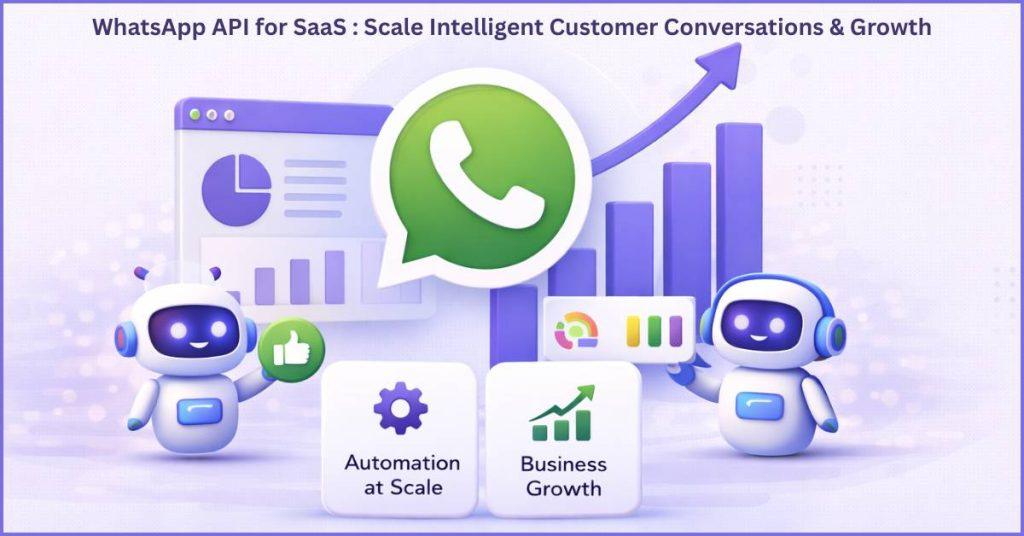
Modern SaaS companies are moving away from slow, clunky emails and “help tickets” in favor of conversational communication that feels like a natural text exchange. Because WhatsApp is already used by billions, it has become the primary tool for this shift. It offers nearly instant engagement and much higher response rates than traditional methods.
To manage this at a large scale, businesses use the WhatsApp Business API, which acts like a “pro” version of the app. This allows them to use smart automation to handle routine questions 24/7 while maintaining a personal connection, ensuring that as a company grows, its customer support stays fast, friendly, and efficient.
Why SaaS Businesses Use WhatsApp Automation?
SaaS businesses are pivoting to WhatsApp automation because it replaces the slow, cluttered nature of email with the speed of instant messaging. Since almost everyone checks their texts immediately, WhatsApp achieves significantly higher open and response rates. It ensures that important updates or help guides actually reach the customer.
This allows companies to stay connected with users in real time throughout their entire journey from sending a quick welcome tip to offering instant support, making the software feel much more helpful and easier to use.
Why Do SaaS Businesses Need Intelligent Conversations ?
Think of a fast-growing software company like a popular video game. It suddenly gets millions of new players; the staff can’t talk to everyone at once, so they need “smart” automation to help them grow. Without it, they would be overwhelmed. Today’s customers expect answers instantly, and if they have to wait even ten minutes for help, they might get frustrated and leave for a different app.
To solve this, companies use Conversational AI. It acts like a super-smart digital assistant that never sleeps. Instead of a user having to hunt through a confusing instruction manual, they can just ask a question in a chat and get the exact answer they need right away. This makes the software feel much easier to use. It ensures that every customer feels heard and helped immediately.
WhatsApp Business API vs. WhatsApp Cloud API: How Can SaaS Companies Pick the Best?
|
Feature
|
WhatsApp Business API (BSP)
|
WhatsApp Cloud API (Meta)
|
|---|---|---|
|
Hosting
|
Hosted by BSP or Business
|
Hosted by Meta
|
|
Setup Time
|
Days to Weeks
|
Minutes to Hours
|
|
Cost
|
Meta fees + BSP hosting/markup
|
Meta fees only (No hosting fees)
|
|
Scalability
|
Limited by server capacity
|
High (Instantly scales with Meta)
|
|
Support
|
Provided by the BSP
|
Self-service via Meta documentation
|
How WhatsApp API Drives Growth for SaaS?
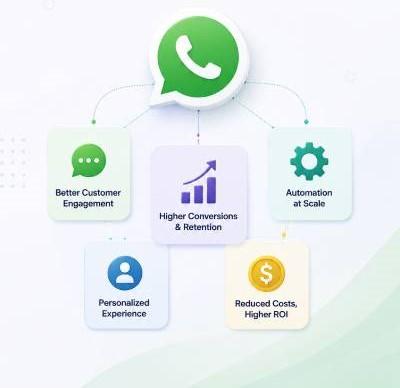
Using the WhatsApp API is like giving a software company a “growth superpower”. It makes everything faster and more personal. It helps turn curious people into customers quickly by letting them sign up or ask questions through a simple chat instead of filling out long, boring forms.
Once someone starts using the app, the API acts like a helpful coach. It sends quick videos or tips so they never feel lost. It also keeps customers happy by sending friendly reminders—like a nudge to renew a subscription or a quick “how’s it going?” which makes the business feel like a helpful friend rather than just a faceless company.

How to Set Up Botbuz WhatsApp Business API for Your SaaS Brand?
Setting up this system is like getting an official “verified” badge for a brand’s phone number so they can talk to customers safely. First, the company has to prove to Meta (the owners of WhatsApp) that they are a real business by showing some official paperwork. Then, they pick a fresh phone number that hasn’t been used for personal chatting and choose a clear name that matches their website.
Finally, they link the messaging system to their software using special “digital bridges” called APIs and webhooks. Once this is done, the company’s computer and the customer’s phone can “talk” to each other instantly, allowing the business to send helpful updates or answer questions automatically whenever a message comes in.
How Does WhatsApp API Solve Key SaaS Challenges?
The WhatsApp API acts like a specialized problem solver that fixes the most common headaches software companies face. For example, it solves the “Onboarding Gap” by acting like a friendly guide that sends quick videos and easy buttons to help new users set up their accounts without getting confused.
It also builds trust for expensive products by giving people instant answers to their questions, and it stops “Silent Churn” by sending a quick text if a payment fails, making it easy for customers to fix it with one tap. Finally, it helps people discover new parts of the app they might have missed, turning the software from a confusing tool into a helpful assistant that always keeps the user in the loop.
WhatsApp Business API for SaaS : Key Use Cases
The WhatsApp API provides software companies with “super-tools” that make using an app feel as easy as texting a friend. Instead of forcing users to leave their chat to visit a website, it uses WhatsApp Flows, which are like mini apps inside the message that let people sign up or book a meeting with just one tap.
It also works as a “team player” with email and other apps to make sure a user never misses an important update, and it allows the company to send out “big news” blasts about new features that almost everyone will actually see and read. This turns the software into a helpful, constant companion that is always there to guide the user through exactly what they need to do next.
Scalable WhatsApp Automation for High-Growth Teams :
When a software company gets popular and gains thousands of new users, it becomes impossible for a small team of humans to answer every message personally. To stay fast, they use a “hybrid” model where a smart AI handles the simple, everyday questions—like “how do I change my password?”—instantly at any time of day.
If the problem is too tricky for the AI, it smoothly hands the conversation over to a real person who already knows exactly what happened, so the customer doesn’t have to repeat themselves. This setup acts like a “super-team” that can talk to millions of people at once, making sure every user gets quick, helpful answers even as the company grows huge.
How Does Botbuz Improve Customer Engagement for SaaS Companies?
Botbuz acts like a 24/7 digital brain for a company’s messaging apps, helping them talk to thousands of people at once without ever getting tired. It uses smart chatbots to answer simple questions instantly, even at 3 AM, so human workers can focus on solving the really big, tricky problems.
The platform also keeps everything organized by remembering every user’s history and sending them personalized tips or “news flashes” about cool new features. Because it’s so fast and friendly, it makes the software feel less like a faceless business and more like a helpful assistant that’s always there when you need it.
Prioritize Customer Growth and Scale With Botbuz :
Botbuz helps software companies grow quickly by acting like a “super-powered assistant” that never takes a break. It handles all the boring, repetitive work, like answering the same questions over and over or helping new people sign up, so the human workers can focus on more important things.
Because it uses WhatsApp, it can send out “news flashes” or friendly reminders that people actually see and read, unlike emails that usually get ignored. It even helps the company make more money by automatically sending a quick text if a customer forgets to pay their bill, making it easy to fix with one tap. This turns a regular business into a fast, smart machine that stays connected to its customers every single day.
Conclusion :
Using the WhatsApp API is like giving a software company a “fast-forward” button for success. It changes the way businesses talk to people, moving away from slow emails and switching to quick, smart chats that happen in real-time.
This helps the company grow because it makes signing up easier, keeps customers from quitting by sending helpful reminders, and allows a small team to help thousands of people at once using smart AI. By staying connected on an app everyone already uses, the company stops feeling like a distant business and starts feeling like a helpful, 24/7 assistant that’s always there when needed.
FAQs :
- Why is API better than email?
Almost everyone reads their WhatsApp messages, while emails often get ignored. For a software company, this means new users actually see the setup tips and videos, helping them start using the app much faster.
- Can API fix failed payments?
Yes! Instead of sending a billing email that no one sees, the system sends a quick text with a “Pay Now” button. This makes it super easy for customers to fix payment issues instantly so they don’t lose access to their software.
- How do AI and humans work together?
It’s a “tag-team” system. A smart chatbot handles the easy, common questions 24/7, but if things get too complicated, it instantly hands the chat to a real person who already knows the whole story.
- Is API expensive for startups?
The cost is based on the number of conversations you have. For most companies, it’s worth it because it’s cheaper than hiring a huge team of people to answer messages all day and night.
- Does the API need a new phone number?
You need a “clean” number that isn’t already being used for a personal WhatsApp account. Once you connect it to the API, it becomes a dedicated “work-only” line for the company’s automated messages.
- How do API avoid getting banned?
You must only message people who have given you permission to contact them. By sending helpful tips and updates instead of annoying ads, the company keeps its “Green Tick” and stays in Meta’s good graces.
- Does API work with other office tools?
Definitely. The system can “talk” to other software like HubSpot or Salesforce, automatically saving every conversation. This helps the whole team stay organized without having to type in notes by hand.